Seattle’s hotels can support a vibrant tourism industry without contributing to climate change.
HOW?
With the Living Hotels ordinance, new hotels would reduce reliance on fossil fuels, generate as much of their own energy as possible on-site, conserve water, use sustainable materials and reduce carbon impact of construction, encourage low impact forms of transportation, and consider equity for our communities.
WHY HOTELS?
The carbon footprint of the tourism industry is large, contributing 8% to global carbon emissions. We have to tackle the tourism industry if we’re going to seriously address climate change.
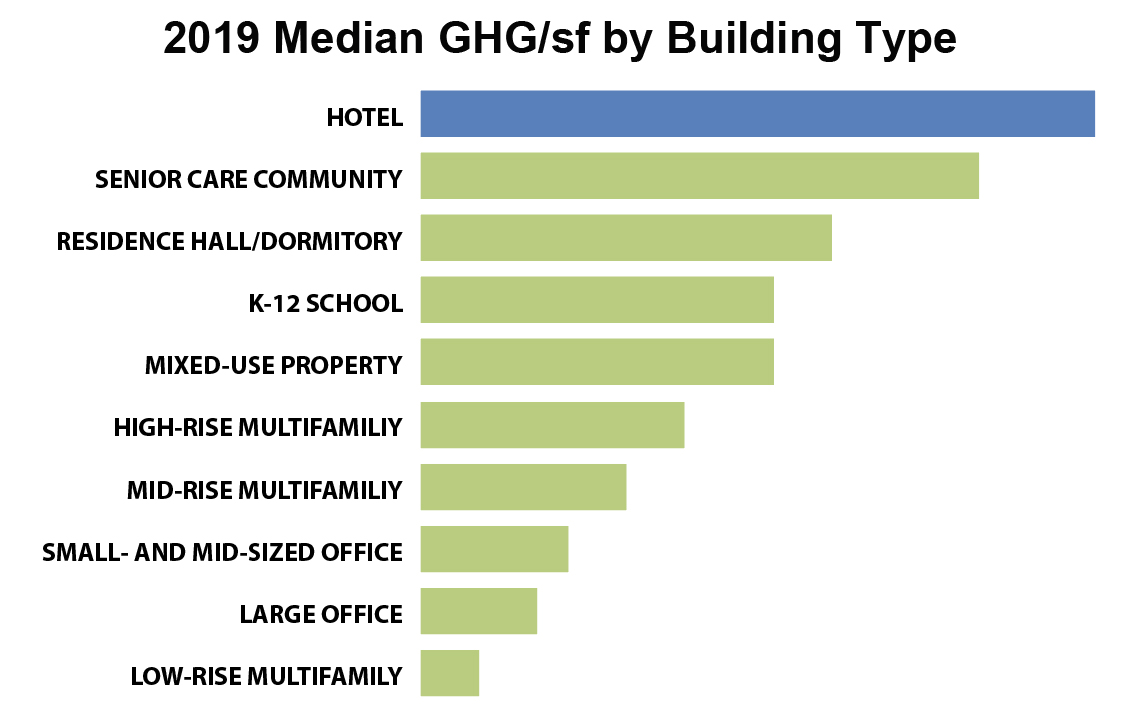
Hotels are themselves a high greenhouse gas intensity land use according to data from the City of Seattle, producing more emissions than office, residential, senior care, or school buildings.
Hotels produce more greenhouse gas emissions than office, apartment, or school buildings…
—Seattle Office of Sustainability and Environment